David Stevenson: Helping Adults Finish the Degree They Left Behind
Because you're here reading about how I finished my degree online, I've probably felt what you're feeling right now. If I'm right, there’s a good chance you’re carrying an unfinished degree in the back of your mind and wondering whether it’s still possible to do something about it later in life. Does that sound like you?
I created Degree Finish Line for adults who started college, stepped away, and now want a realistic path to finishing their degree online without pretending life is simple or starting over unless they truly have to.
Who This Site Is For
This site is for adults who left college without graduating and are now asking questions like:
- Do my old college credits still count?
- Is there a practical way to finish after all this time?
- Can I do this online while managing work and everyday responsibilities?
- How do I compare degree completion options without wasting time?
If those questions sound familiar, I'll tell you what I learned while facing and solving similar uncertainties.
Why I Started Degree Finish Line
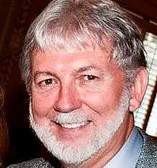 Your Host, David Stevenson
My name is David Stevenson, and I created Degree Finish Line because I know what it feels like to leave college unfinished and carry that loose end for decades.
I returned to college after more than 40 years away. By that point, I was working full-time as a computer programmer, so going back in a traditional way was not realistic. I needed an option that could fit around work and the rest of adult life.
One of my first questions was the same one many returning students ask: **Would any of my old credits still matter, or would I have to start over?**
That search was not simple.
I originally hoped to complete my music degree at the nearby University of South Florida, which has a strong music program. However, many of the courses I needed were only offered in person or during daytime hours. Because I was working fulltime, even the idea of nighttime or online classes at that university had to go out the window because I couldn't get the courses I needed. Sadly, I removed USF from my list of possibilities.
A local community college offered a few courses I needed, but was limited to only a 2-year Associate's degree -- not the Bachelor's degree I wanted to complete. However, I kept them on my list for a few individual courses like ProTools 101, hoping that I could take advantage of their lower tuition cost and still find a way to transfer into whatever online music program I might eventually find.
When I spoke with an admissions advisor at Berklee Online, I was dreading the thought that maybe my old college credits might not transfer to Berklee. The advisor told me to order a copy of my transcript to be sent directly to them from my old school. I sent the transcript and waited for a couple of weeks before Berklee's transcript evaluation finally hit my inbox.
While I was disappointed that my old music theory credits would not transfer, I was super excited that most of my other credits were still valuable. Berklee accepted more than 40 credit hours from my earlier college work, and I immediately checked off multiple courses as complete in my degree plan chart.
Later, I discovered I could get credit for even more courses through Berklee's prior learning portfolio, which allowed me to show how my life experiences in music matched the outcomes of seven more courses. Voila! Twenty-one more credit hours checked off of my degree plan!
Eventually, I worked through the remaining requirements online a couple of courses at a time, and completed my degree at age 69.
That experience shaped this site and proved to me that I really could complete what I started so many years ago.
How I Help
Degree Finish Line exists to help adults think through the practical side of returning to college and finishing what they started.
The articles here focus on issues such as:
- how online degree completion works
- how older college credits may still fit into a degree plan
- what to look for when comparing schools and programs
- how to move forward after a long gap with more clarity and fewer wrong turns
My goal is not to oversell the process or pretend there is one perfect answer for everyone. Degree completion later in life is usually about understanding your real options, making good use of the credits and experience you already have, and building a plan that fits your situation.
About the Author
Hi! I'm David Stevenson, and I'm the creator and writer behind Degree Finish Line.
I returned to college after more than 40 years away and completed my undergrad music degree online while working fulltime in my career. The articles I write and guides I am putting together for you draw on my actual experiences returning to school later in life.
I had to work through evaluating online degree options, figuring out if older credits had any transfer value, deciding on my preferred music degree specialty, calculating how much the degree was going to cost, putting all the pieces in place for federal school loans, and dozens of other questions that demanded answers and decisions.
As you read the articles and guides on this site, let my experience help you work toward finally finishing your own degree.